

Höre diesen Podcast kostenlos in der App: Kostenlos im App Store laden
radio.de
Sleeptimer
Sender speichern
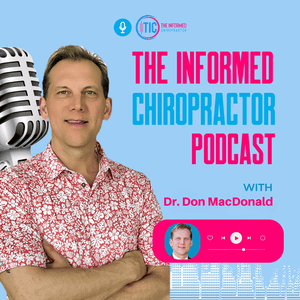
The Informed Chiropractor Podcast
Dr. Don MacDonald
Neueste Episode
118 Episoden

The Communication Extravaganza Returns: Toronto, December 5th
12.10.2026 | 16 Min.Your practice members don't leave because your adjusting isn't good enough. They leave because of the little things nobody noticed.
In this episode, Dr. Don MacDonald talks about trend lines: the health trend lines and behavior trend lines that tell you when a practice member is drifting off course. Catch it early and a simple conversation repairs it. Miss it and those micro ruptures accumulate until someone ghosts you.
You'll hear why rupture and repair is the hidden engine of every strong practice relationship, what the "rapport bank" is and why a full one gives you leeway when things get bumpy, why your chiropractic assistants should be your best noticers, and how incidental learnings teach better than any script.
This is a preview of what Don and Brandi will be teaching at the Communication Extravaganza in Toronto on December 5, 2026. Bring your team. Details at https://theinformedchiropractor.com/toronto
Also mentioned: the Communication Extravaganza on the Gold Coast February 27, 2027, the pelvic floor protocol seminar in Perth February 20, 2027, and Don and Brandi's book The Polyvagal Shift, coming January 2027.
Free "Intro to the Polyvagal Lens" for Chiropractors:
https://www.theinformedchiropractor.com/introduction-to-chiropractic-through-a-polyvagal-lensPelvic Floor Chiropractic, Tailbone dysfunction and Nervous-System Regulation with Dr. Lauren Rose
03.09.2026 | 27 Min.What happens when chiropractors look beyond the spine and begin paying closer attention to the pelvis, pelvic floor, fascia and nervous system?
In this episode of The Informed Chiropractor Podcast, Dr. Don MacDonald sits down with Dr. Lauren Rose, a chiropractor from Okotoks, Alberta, to talk about her journey into chiropractic and how learning a nervous-system-focused approach to the pelvis and pelvic floor has changed the way she works with her practice members.
Dr. Lauren shares how her interest in chiropractic began after discovering the philosophy of chiropractic while studying kinesiology, eventually leading her to the New Zealand College of Chiropractic. After returning to Canada and beginning practice in 2020, she developed her clinical experience while working as an associate and learning from experienced chiropractors.
The conversation then turns toward one of the areas that has become increasingly important in her practice: pelvic floor chiropractic care.
After attending Dr. Don's pelvic floor seminar in Calgary, Dr. Lauren began applying the approach with patients experiencing a variety of pelvic, hip, fascial and tailbone-related challenges. She explains why she was initially hesitant to add another technique to her practice and what surprised her about the way the pelvic floor approach could fit within a chiropractic framework.
Dr. Lauren and Dr. Don also discuss the relationship between the pelvic floor, fascia, movement and the nervous system, and why the goal is not simply to add more techniques, but to understand how the body responds to the input being provided.
Throughout the conversation, Dr. Lauren shares several clinical experiences involving tailbone discomfort, pelvic floor challenges, sciatica, hip function and changes in movement following pelvic floor work. These stories highlight how much there is still to learn when chiropractors become curious about the relationships between different regions of the body.
The episode also returns repeatedly to an important theme of Polyvagal Theory and nervous-system regulation: the state of the practitioner matters too. Dr. Don and Dr. Lauren discuss the importance of co-regulation and why chiropractors should pay attention to their own state before entering the adjusting room.
In this episode:
Dr. Lauren Rose's journey from kinesiology into chiropractic
How the New Zealand College of Chiropractic influenced her approach to practice
Why mentorship and the right practice environment can shape a chiropractor's career
How Dr. Lauren became interested in pelvic floor chiropractic care
Why tailbone and pelvic floor challenges encouraged her to expand her clinical approach
How pelvic floor work can be integrated through a chiropractic lens
The relationship between the pelvis, fascia, movement and nervous-system regulation
Why some patients may respond differently depending on the condition of their tissues and their ability to adapt
Clinical experiences involving tailbone discomfort and pelvic floor-related challenges
How Dr. Lauren describes using pelvic floor work with male patients experiencing tailbone challenges
What Dr. Lauren learned from attending Dr. Don's pelvic floor seminar in Calgary
Why listening to the patient's body can be more valuable than simply explaining symptoms
The importance of co-regulation in chiropractic practice
Why a chiropractor's own nervous-system state can influence the clinical environment
How Dr. Lauren approaches self-care, exercise and maintaining a positive state before practice
Why continuing education can change the way chiropractors see their patients
Key Takeaway
One of the biggest themes from this conversation is that chiropractic care continues to evolve as practitioners become more curious about how the spine, pelvis, fascia, and nervous system interact.
For Dr. Lauren, learning more about the pelvic floor did not mean abandoning the chiropractic approach she already valued. Instead, it gave her another way to understand the people sitting in front of her and another way to work with patients experiencing challenges she previously found difficult to address.
The conversation is also a reminder that clinical growth does not always come from adding more complexity. Sometimes it comes from learning to listen more carefully, observe more closely and understand the body from a different perspective.
Listen to the full episode to hear Dr. Lauren Rose's experience applying pelvic floor chiropractic concepts in practice and her perspective on nervous-system regulation, clinical curiosity and the ongoing evolution of chiropractic care.
📖 Related Article
https://drdonmacdonald.com/pelvic-floor-chiropractic-pelvis-fascia-nervous-system/
Learn More
Interested in learning more about the nervous-system-focused approach discussed in this episode?
Explore the free Intro to the Polyvagal Lens for Chiropractors from The Informed Chiropractor.
https://www.theinformedchiropractor.com/introduction-to-chiropractic-through-a-polyvagal-lens
Join The Informed Chiropractor mentorship waitlist:
https://www.theinformedchiropractor.com/the-informed-chiropractorWomen’s Health, Pelvic Floor Care and Practice Growth with Dr. Liz Walker
06.08.2026 | 36 Min.What does it take to build a thriving chiropractic practice, find the right associate, and expand into women’s health and pelvic floor care?
In this episode of The Informed Chiropractor Podcast, Dr. Don MacDonald sits down with Dr. Liz Walker to discuss her journey from playing college tennis in Australia to becoming a chiropractor and practice owner in Missoula, Montana.
Dr. Liz shares how a personal experience with chiropractic care at age 16 changed the direction of her life. After completing an exercise science degree, she attended the New Zealand College of Chiropractic, where she met her husband, Ian. Together, they eventually returned to Montana, where Dr. Liz began building her practice in 2014.
Rather than relying solely on traditional marketing, Dr. Liz built her patient base through community involvement, networking, local business organizations, women’s groups, fitness, and genuine relationships.
The conversation also explores the realities of chiropractic practice growth, including the challenges of finding and supporting the right associate. Dr. Liz explains what she has learned about communication, alignment, and creating an associate relationship where both the doctor and practice can grow.
Now she is entering another major chapter: moving from a 700-square-foot office into a newly purchased 2,000-square-foot building in Midtown Missoula. The expanded location will create room for massage therapy, a wet room, sauna, and cold plunge services while allowing her to deepen the practice’s focus on pregnancy, menopause, pelvic floor health, and women’s chiropractic care.
Dr. Liz also shares her experience attending Dr. Don and Brandi's Unlocking the Pelvis and Pelvic Floor seminar in Calgary. She discusses how the techniques influenced her personally and how she has incorporated what she learned into her clinical approach, including work with patients experiencing incontinence and symptoms related to cancer treatment.
This is a candid conversation about following your interests, building through community, choosing the right people, and allowing your chiropractic practice to evolve alongside your vision.
In this episode, you’ll hear about:
Dr. Liz’s journey from Australia to chiropractic practice in Montana
The personal chiropractic experience that influenced her career
Studying at the New Zealand College of Chiropractic
Building a chiropractic practice through community involvement
Developing a focus on pregnancy, menopause, and women’s health
The challenges of hiring and finding the right chiropractic associate
Why communication and alignment matter in an associate relationship
Expanding from a 700-square-foot clinic into a 2,000-square-foot facility
Integrating massage, sauna, cold plunge, and additional wellness services
Bringing pelvic floor techniques into chiropractic practice
Clinical experiences involving incontinence and cancer-related symptoms
Why enthusiasm, connection, and fun can contribute to a healthier practice
Whether you are building your first chiropractic practice, considering hiring an associate, or exploring ways to incorporate pelvic floor and women’s health care into your clinical approach, this episode offers practical insights and an encouraging look at what is possible.
📖 Related Article
https://drdonmacdonald.com/womens-health-pelvic-floor-chiropractic/
Learn More
Free “Intro to the Polyvagal Lens” for Chiropractors:
https://www.theinformedchiropractor.com/introduction-to-chiropractic-through-a-polyvagal-lens
The Informed Chiropractor: The next two pelvic floor seminars will be in Denver September 26th and in Perth, Australia Feb 20th, 2027
https://www.theinformedchiropractor.com/
Connect with The Informed Chiropractor
Facebook:
https://www.facebook.com/theinformedchiropractor
Instagram:
https://www.instagram.com/informed_chiropractor/
YouTube:
https://www.youtube.com/theInformedChiropractor
If this episode was helpful, follow The Informed Chiropractor Podcast and share it with another chiropractor who would benefit from the conversation.Why the Pelvic Floor May Be the Missing Link in Polyvagal Chiropractic | Dr. Don MacDonald
30.06.2026 | 34 Min.The Informed Chiropractor Podcast with Dr. Don MacDonald
What if one of the biggest missing pieces in chiropractic isn't another adjustment technique—but an area of the body most of us were never taught how to assess?
In this episode, I share one of the biggest clinical breakthroughs we've had over the past year: integrating pelvic floor work into the MacDonald Safety Corridor Protocol through a polyvagal lens.
What started as one practice member with a prolapse and an ovarian tumor opened the door to an entirely new understanding of how the pelvic floor influences nervous system regulation, posture, movement, hip function, breathing, and overall health. Since then, we've taught this protocol to chiropractors around the world and the feedback has been incredible.
I also shift gears in the second half of the episode to discuss the three biggest challenges we're seeing while coaching chiropractors internationally—and why success today has less to do with learning another strategy and more to do with knowing where to focus.
If you've ever felt like there's a gap in your clinical toolbox—or your practice feels busy but unfocused—this episode is for you.
In This Episode, You'll Learn
Why has the pelvic floor become such an important part of our clinical work
How the pelvic floor influences nervous system regulation through a polyvagal perspective
The relationship between fascia, mechanoreceptors, posture and movement
Why chronic hip, low back, and rib problems often have an overlooked pelvic floor component
Clinical stories showing changes in prolapse symptoms, bladder urgency and hip function
Why restoring movement—not simply strengthening—is often the missing piece
The importance of informed consent and creating safety when working with sensitive areas
The three biggest obstacles chiropractors are facing today
Why too many strategies are creating overwhelm instead of growth
How identifying your current "season" of practice changes everything
Why understanding your natural Working Genius can reduce burnout and improve practice satisfaction
A preview of our upcoming UNMastermind experience in Lisbon
Key Takeaways
One of the biggest lessons we've learned is that regulation isn't just about adjusting the spine.
The nervous system constantly gathers information from every part of the body. When tissues lose movement, the brain loses quality information. By restoring ease and movement—especially through the pelvic floor—we often see improvements that extend far beyond the pelvis itself.
We also believe chiropractors don't need more information.
Most need more clarity.
Knowing what season you're in, focusing on the few things that matter most, and working within your natural strengths creates far more momentum than chasing every new strategy that appears online.
📖 Related Article
https://drdonmacdonald.com/pelvic-floor-and-polyvagal-chiropractic/
Resources
MacDonald Safety Corridor Protocol
Polyvagal Theory for Chiropractors
Nervous System Regulation
Vagus Nerve and Chiropractic Care
Pelvic Floor and Polyvagal Chiropractic
Learn more at: drdonmacdonald.com
Join us in Calgary or Toronto by visiting our website https://www.theinformedchiropractor.com/
Join The Informed Chiropractor mentorship waitlist: https://www.theinformedchiropractor.com/the-informed-chiropractor
Free “Intro to the Polyvagal Lens” (for Chiropractors):
https://www.theinformedchiropractor.com/introduction-to-chiropractic-through-a-polyvagal-lens
We just made the top 10 Podcasts on Polyvagal theory. Check it out, we are number 2
https://www.millionpodcasts.com/polyvagal-therapy-podcastsPolyvagal Chiropractic: The 5 Pillars That Change Patient Outcomes
14.05.2026 | 41 Min.Today I’m sharing everything I’ve learned over the last few months, including 5 crucial pillars for changing patient outcomes. I’ve been attending seminars and speaking across more than 52 time zones, while keeping busy with the process of handing off the practice over the next nine months to our young Docs. From recent podcast guests to speaking events in Australia, Windsor, and Calgary, here are the top takeaways on chiropractic care I’ve been reflecting on.
In this episode:
What we’ve been up to since the last episode aired.
What made the previous episode with Heidi Haavik so great?
The importance of using objective measurements in chiropractic care.
What I spoke about in Australia recently and why it matters.
Why the time frame of chiropractic care makes a significant difference in outcomes.
How movement acts as a summer switch, and why we need optimal movement.
How mapping and helping a body identify its position in space are so critical.
The way our nervous systems are wired to be in a protective state.
How supporting a state of ease in the global system actually changes lives.
What is the goal of initial chiropractic care for dysregulated people?
What the “window of tolerance” is and how you can increase it.
Where we went in Australia and what made it an especially exciting visit.
How the Calgary event brought chiropractors together in a positive and impactful way.
Why opening more chiropractic schools is so important, especially now.
What we have planned for the summer, including ways you can get involved.
📖 Related Article
https://drdonmacdonald.com/polyvagal-chiropractic-the-5-pillars-that-change-patient-outcomes/
Join us in Calgary or Toronto by visiting our website https://www.theinformedchiropractor.com/
Join The Informed Chiropractor mentorship waitlist: https://www.theinformedchiropractor.com/the-informed-chiropractor
Free “Intro to the Polyvagal Lens” (for Chiropractors):
https://www.theinformedchiropractor.com/introduction-to-chiropractic-through-a-polyvagal-lens
We just made the top 10 Podcasts on Polyvagal theory. Check it out, we are number 2
https://www.millionpodcasts.com/polyvagal-therapy-podcasts
Weitere Alternative Therapien Podcasts










Trending Alternative Therapien Podcasts

Über The Informed Chiropractor Podcast
Welcome to The Informed Chiropractor, the go-to podcast for neurologically based chiropractors who are ready to make chiropractic relevant again. Hosted by Dr. Don MacDonald, a 26+ year chiropractor, speaker, and creator of the MacDonald Safety Corridor Protocol, this show blends vitalistic chiropractic principles with modern neuroscience through the lens of the Polyvagal Theory.Every week, we explore how to shift from a mechanistic model to a salutogenic, nervous system-forward approach that fosters true regulation, coregulation, and healing. Whether you’re navigating burnout, refining your adjusting, or searching for a clearer way to communicate the value of chiropractic, this podcast is your home.You’ll hear interviews with global experts, real talk from Dr. Don and Brandi MacDonald, and actionable tools to build a practice rooted in safety, interoception, and chiropractic certainty.👉 If you’re a purpose-driven chiropractor who wants to lead with connection, adjust with clarity, and reclaim the art of healing, you’re in the right place.Key themes covered:Neurologically based chiropractic careChiropractic and the Polyvagal TheoryCreating safety and co-regulation in practiceCoregulation and the social engagement systemThe salutogenic model of healthInteroception and the nervous systemPractice growth without burnoutSubscribe now and join thousands of chiropractors worldwide reimagining what’s possible through a nervous system forward practice.
Podcast-WebsiteHöre The Informed Chiropractor Podcast, HEALTHWISE - Der Gesundheits- und Longevitypodcast. und viele andere Podcasts aus aller Welt mit der radio.de-App
Hol dir die kostenlose radio.de App
- Sender und Podcasts favorisieren
- Streamen via Wifi oder Bluetooth
- Unterstützt Carplay & Android Auto
- viele weitere App Funktionen
Hol dir die kostenlose radio.de App
- Sender und Podcasts favorisieren
- Streamen via Wifi oder Bluetooth
- Unterstützt Carplay & Android Auto
- viele weitere App Funktionen

The Informed Chiropractor Podcast
Code scannen,
App laden,
loshören.
App laden,
loshören.
 Deutschland