
Höre diesen Podcast kostenlos in der App: Kostenlos im App Store laden
radio.de
Sleeptimer
Sender speichern
1000 Episoden
Special Report: Hell's No Place for a Pretty Face (2026)
27.10.2026 | 26 Min.Two adult film stars run a cross-country crime spree, robbing porn theaters to fund a getaway to France, and the real question isn't whether they survive but whether they stay together. Hell's No Place for a Pretty Face (2026) is a new Texas-made road romance from writer-director Seth Magana, shot on one lens with his own money and headed for a November 17 premiere at Laemmle NoHo 7 before a theater-by-theater tour. Seth joins Mike to talk about why Bonnie and Clyde (1967), True Romance (1993) and Queen & Slim (2019) left room for a love story, the Warren Oates Dillinger (1973) soundtrack inside the film's theaters, lessons from The American Friend (1977) and Sam Peckinpah, a shootout co-directed by the still photographer, and a two-week editing trip to France.
Follow 42nd Street Pictures on Instagram and get tickets for the November 17 premiere.
Become a supporter of this podcast: https://www.spreaker.com/podcast/the-projection-booth--5513239/support.
Become a supporter of The Projection Booth at http://www.patreon.com/projectionbooth
The Projection Booth is part of the Weirding Way Media podcast network. Explore more of our shows at http://weirdingwaymedia.com.Special Report: The Dark Gets In (2026)
27.10.2026 | 19 Min.The scariest true-crime documentary is the one that stops being true. The Dark Gets In (2026), which premiered at Beyond Fest and heads to FrightFest in the UK, follows a documentary crew interviewing the parents of a teenage girl who vanished from a locked house, until the case turns somewhere far darker than anyone expected. Writer-director Sean Hogan, who made The Devil's Business (2011), shot it so convincingly in streaming-doc style that you may forget it's fiction.
Mike talks with Hogan about a found-footage video-diary idea that sat for years until a pandemic-era chat about true crime gave it a shape, a script used as a roadmap for actors who improvised in character, an open casting call with roughly 6,000 applicants, a young lead who invented material over email, and the childhood monster books that made him a horror lifer.
Become a supporter of this podcast: https://www.spreaker.com/podcast/the-projection-booth--5513239/support.
Become a supporter of The Projection Booth at http://www.patreon.com/projectionbooth
The Projection Booth is part of the Weirding Way Media podcast network. Explore more of our shows at http://weirdingwaymedia.com.Special Report: Silver Screamers (2025)
26.10.2026 | 29 Min.A rejected horror-short application turned into a movie about what happens when retirees run the set. Sean Cisterna couldn't find funding for The Rug (2025), so he pitched a New Horizons for Seniors grant, recruited a crew in their 70s, 80s and 90s, and filmed the chaos as Silver Screamers (2025), a Fantastic Fest world premiere reaching U.S. viewers on BloodStream November 6. Cisterna joins Mike to talk about the 96-year-old who raised her hand first, an insurer that refused to cover an 80-year-old camera operator, a rug brought to life by a marionette rig, Super 8 lifer Sonny at last handling an Alexa, and why the short plays free online as the doc's companion piece. His message: imagination doesn't retire.
Follow Silver Screamers at the film's official page.
Become a supporter of this podcast: https://www.spreaker.com/podcast/the-projection-booth--5513239/support.
Become a supporter of The Projection Booth at http://www.patreon.com/projectionbooth
The Projection Booth is part of the Weirding Way Media podcast network. Explore more of our shows at http://weirdingwaymedia.com.Special Report: Wicker (2026)
26.10.2026 | 22 Min.A fisherwoman the village won't let alone commissions a basket weaver to build her a husband, and the husband is Alexander Skarsgård, worn as ten 3D-printed pieces of woven prosthetic with no CG replacement. Wicker (2026) is a new fable from directors Eleanor Wilson and Alex Huston Fischer, fresh from its Sundance premiere and opening nationwide October 30, with Olivia Colman, Peter Dinklage, Elizabeth Debicki and Richard E. Grant in a village where loneliness, marriage and gossip are funny because they are true. Eleanor and Alex, the pair behind Save Yourselves! (2020), join Mike to talk about 18 months with Weta Workshop, adapting Ursula Wills's short story, casting the village with comedians, and a test-screening crowd that went to war over the tailor's wife.
Follow Wicker on Instagram and visit the film's official website.
Become a supporter of this podcast: https://www.spreaker.com/podcast/the-projection-booth--5513239/support.
Become a supporter of The Projection Booth at http://www.patreon.com/projectionbooth
The Projection Booth is part of the Weirding Way Media podcast network. Explore more of our shows at http://weirdingwaymedia.com.Special Report: The Heretiks (2026)
26.10.2026 | 31 Min.Forget the cabin in the woods: this coven comes for you at home on Halloween night. The Heretiks (2026), a Fantastic Fest world premiere headed to Sitges, follows renegade witch Cai (Kimberly Epstein) as she protects two sisters and a friend from her former coven, led by the terrifying Neve (Tess Williams). Director Gregg Bishop of Siren (2016) and Dance of the Dead (2008) spent ten years shopping the script by Luke Piotrowski and Ben Collins.
Mike talks with Bishop, Epstein, Williams, and Josie Wert, who plays Ada, about the concept trailer that finally won a green light, 26 night shoots, two weeks of rehearsal, child actors on strict curfews, real suburban locations near Bishop's hometown, handprint makeup effects, and watching it with a Fantastic Fest crowd.
Follow Gregg Bishop on Instagram.
Become a supporter of this podcast: https://www.spreaker.com/podcast/the-projection-booth--5513239/support.
Become a supporter of The Projection Booth at http://www.patreon.com/projectionbooth
The Projection Booth is part of the Weirding Way Media podcast network. Explore more of our shows at http://weirdingwaymedia.com.
Weitere Filmgeschichte Podcasts





Trending Filmgeschichte Podcasts





Über The Projection Booth
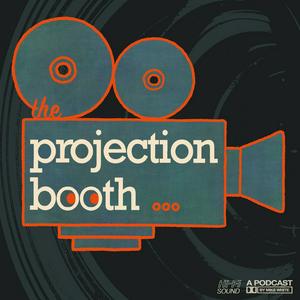
The Projection Booth features discussions of films from a wide variety of genres with in-depth critical analysis while regularly attracting special guest talent eager to discuss their past gems. The podcast has been recognized as a premier film podcast by The A.V. Club, IndieWire, Entertainment Weekly, and Filmmaker Magazine. Visit http://www.projectionboothpodcast.comBecome a supporter of this podcast: https://www.spreaker.com/podcast/the-projection-booth--5513239/support.
Podcast-WebsiteHöre The Projection Booth, WHAT WENT WRONG und viele andere Podcasts aus aller Welt mit der radio.de-App
Hol dir die kostenlose radio.de App
- Sender und Podcasts favorisieren
- Streamen via Wifi oder Bluetooth
- Unterstützt Carplay & Android Auto
- viele weitere App Funktionen
Hol dir die kostenlose radio.de App
- Sender und Podcasts favorisieren
- Streamen via Wifi oder Bluetooth
- Unterstützt Carplay & Android Auto
- viele weitere App Funktionen
The Projection Booth
Code scannen,
App laden,
loshören.
App laden,
loshören.
The Projection Booth: Zugehörige Podcasts
 Deutschland