
Höre diesen Podcast kostenlos in der App: Kostenlos im App Store laden
radio.de
Sleeptimer
Sender speichern
852 Episoden
Taking stock of the BBC cuts
21.10.2026 | 42 Min.This week the BBC announced more cuts as part of its drive to save £500 million, following on from a series of other budget saving measures over the last few months. Katie and Ros talk to BBC Deputy Director-General Rhodri Talfan-Davies, and take stock of everything announced so far with a panel of experts: ex-BBC executive Roger Mosey, MP for Southport Patrick Hurley and Baroness Morgan, former Secretary of State for Digital, Culture, Media and Sport.
And a new Channel 4 programme investigates public attitudes toward disability. The creators of The Experiment have built a fictional care home for disabled people and invite members of the public into the facility to see if they can recognize Nazi-era concepts disguised as modern social care. Producer Nick Parnes and presenter Sophie Morgan join the show.
Presenters: Katie Razzall and Ros Atkins
Producers: Lisa Jenkinson and Tim BanoRussell T Davies, and reporting on when the BBC gets it wrong
14.10.2026 | 42 Min.This week, an extended interview with the screenwriter and producer Russell T Davies. He talks to Katie and Ros about his long career in television, from early days in children's TV, to bringing back Doctor Who, to his more recent successes like the critically acclaimed Tip Toe. He also gives his thoughts on the media landscape today, including the role of AI and the lack of commissioning opportunities.
Also, former barrister and legal correspondent Clive Coleman, now a specialist in crisis PR and reputation management, and former BBC news exec Katy Searle discuss the BBC's defamation settlement with the founder of LGBTQ+ news site Pink News and his husband over a 2024 investigation. How should the BBC respond when it gets things wrong?
Presenters: Katie Razzall and Ros Atkins
Producers: Lisa Jenkinson and Tim BanoReporting on the Cornell rape investigation; Woman’s Hour at 80; Anneka Rice
07.10.2026 | 42 Min.What are the challenges of reporting on the Cornell University rape investigation, and how did it emerge in student and social media? We discuss with Kathleen Bartzen Culver, Professor of Journalism Ethics at the University of Wisconsin – Madison; and Dr Robert Topinka, Reader in Digital Culture at Birkbeck University of London.
As Woman’s Hour turns 80, its editor Karen Dalziel joins us to reflect on its impact and legacy. Also on the programme, the BBC’s Nick Thorpe looks at what's changed since Prime Minister Péter Magyar promised to restore media freedom six months ago. Plus, Anneka Rice looks back on her broadcasting career, five decades after she joined the BBC as a trainee.Man City verdict, Dead Internet Theory, The Art of Casting
30.09.2026 | 42 Min.Manchester City arranged "sham contracts" with a number of commercial partners as part of a scheme to disguise secret funding of more than £830m, the Premier League says. We discuss how the media was involved in reporting the story over many years with BBC Sport's Laura Scott; Der Spiegel journalist Christoph Winterbach; Nick Harris from Sporting Intelligence and Sky’s sports correspondent Rob Harris.
New research from Stanford University suggests a significant share of newly created websites may now be produced, at least in part, by artificial intelligence. We hear from one of the study's lead researchers, Maty Boháček, alongside technology writer Timandra Harkness, about the scale of AI-generated content online and what it means for the future of the web.
Celebrity Traitors and Strictly Come Dancing are back on our screens. But what goes into casting the stars who make these formats a success? Celebrity talent executive Stef Aleksander takes us behind the scenes of one of television's most important and least visible jobs.Trump’s legal battle with White House press, the global media spotlight on the village of Piddington, Diana media narratives
23.09.2026 | 42 Min.The legal confrontation between Donald Trump and the White House press corps raises questions about press freedom and the limits of presidential control over media access. We talk to Ronnell Anderson Jones, University Distinguished Professor of Law, and Washington Post media reporter Scott Nover.
In Oxfordshire, the village of Piddington has drawn global attention over plans to house more than a thousand asylum seekers. Guardian journalist Amelia Gentleman and BBC South’s Jamie Morris report on how a local dispute became an international story.
The publication of Earl Spencer’s book about Diana, serialised by the Daily Mail, has reignited debate over who shapes the late Princess’s legacy. BBC Royal Correspondent Sean Coughlan, Evening Standard Royal Editor Robert Jobson and media law expert Mark Stephens discuss the competing narratives and legal implications.
Presenters: Katie Razzall and Ros Atkins
Producer: Lisa Jenkinson
Weitere Gesellschaft und Kultur Podcasts




Trending Gesellschaft und Kultur Podcasts




















Über The Media Show
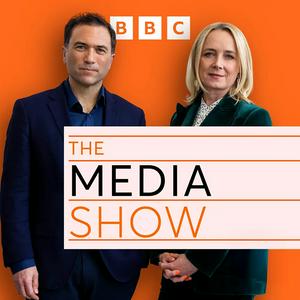
Social media, anti-social media, breaking news, faking news: this is the programme about a revolution in media.
Podcast-WebsiteHöre The Media Show, Wild Wild Web - Geschichten aus dem Internet und viele andere Podcasts aus aller Welt mit der radio.de-App
Hol dir die kostenlose radio.de App
- Sender und Podcasts favorisieren
- Streamen via Wifi oder Bluetooth
- Unterstützt Carplay & Android Auto
- viele weitere App Funktionen
Hol dir die kostenlose radio.de App
- Sender und Podcasts favorisieren
- Streamen via Wifi oder Bluetooth
- Unterstützt Carplay & Android Auto
- viele weitere App Funktionen

The Media Show
Code scannen,
App laden,
loshören.
App laden,
loshören.
The Media Show: Zugehörige Podcasts
 Deutschland